Unlocking Mobile Pathways: How Affiliate Links Shape Instant Access to Evolving Football and Court-Sport Markets Through Dynamic Odds Platforms
Written by Erik Beck · Jul 25, 2026

Unlocking Mobile Pathways: How Affiliate Links Shape Instant Access to Evolving Football and Court-Sport Markets Through Dynamic Odds Platforms
Football and court-sport markets continue to expand through mobile channels where affiliate links connect users directly to platforms offering real-time odds adjustments. As of July 2026 these pathways rely on structured redirects that route traffic from initial clicks through verification steps and into active wagering environments. Data from industry tracking shows mobile devices account for the majority of session starts in soccer, basketball and tennis events during peak hours.
Mobile Entry Points and Affiliate Mechanics
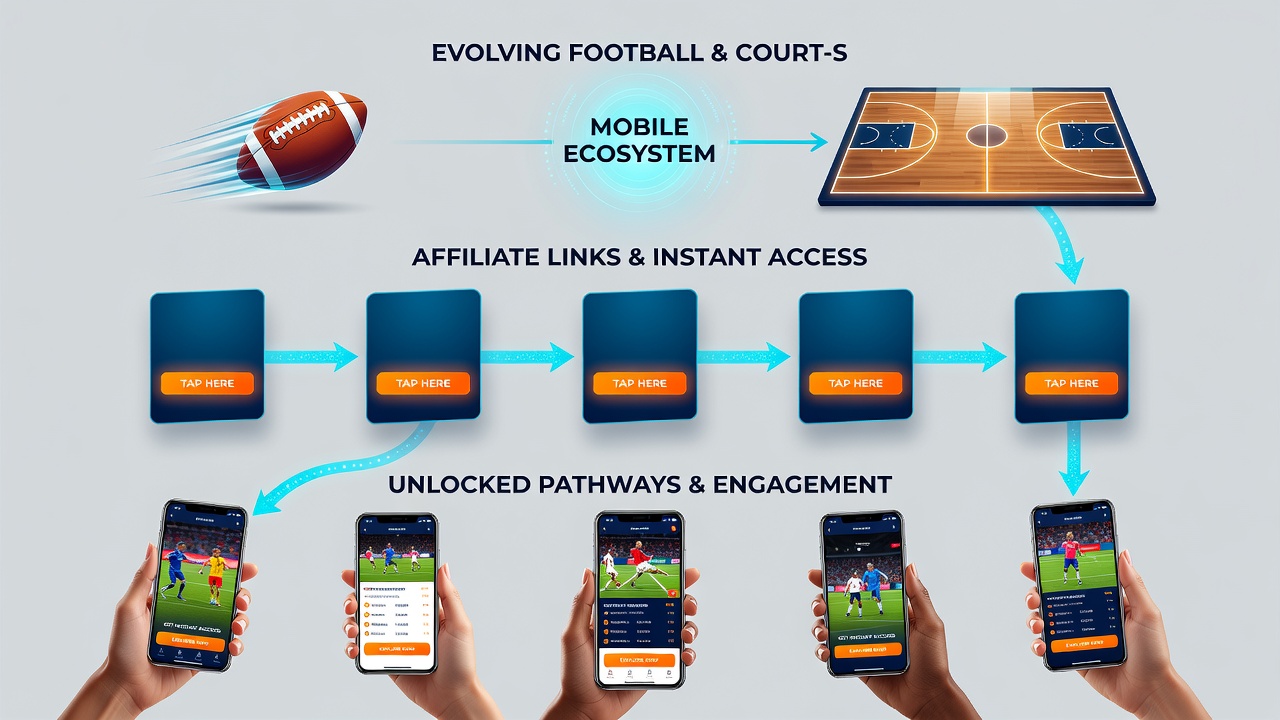
Affiliate networks operate by embedding links within content sites, social channels and search results that guide prospective users toward operator platforms equipped with live odds engines. These links trigger sequences that include device detection, geolocation checks and account creation prompts before users reach the core interface. Observers note that such flows reduce the number of manual steps required to place a wager once an event begins, since the system pre-loads relevant markets for football matches or tennis sets.
Dynamic odds platforms update prices continuously based on in-match variables such as possession statistics, point differentials and injury reports. Affiliate-driven traffic feeds into these systems through APIs that synchronize mobile applications with central servers, allowing odds to shift within seconds of data inputs. Researchers tracking European markets report that affiliate-sourced users demonstrate higher rates of continued engagement during live sessions compared with direct traffic, according to figures published by the European Gaming and Betting Association.
Pathways for Football and Court Sports
Football markets benefit from affiliate links that prioritize major league and international fixtures, routing users to interfaces displaying goal-scoring probabilities and corner counts. Court-sport events such as basketball and tennis follow similar patterns yet require additional granularity for quarter-by-quarter or set-by-set adjustments. Affiliates segment audiences by device type and preferred sport, creating tailored landing pages that surface the most active markets at any given moment.
One documented flow involves a user selecting an affiliate banner on a sports news portal, which then activates a redirect chain that verifies eligibility and deposits a small balance incentive before opening the live odds screen. This process supports instant access to evolving lines in both soccer halves and tennis tiebreaks. Industry reports indicate that such streamlined sequences have contributed to measurable increases in mobile session duration across multiple jurisdictions.
Technological Infrastructure Behind Dynamic Updates
Backend systems supporting these platforms combine cloud-based data feeds with edge computing nodes positioned near major sporting venues. When an affiliate link initiates a session, the mobile application receives compressed data packets that refresh odds displays without requiring full page reloads. This architecture maintains performance even during high-traffic periods around evening matches in European football leagues or North American basketball games.
Security protocols embedded in the redirect process include token-based authentication and encrypted transmission of user credentials. These measures ensure that each pathway from affiliate source to live market remains traceable for compliance purposes while preserving session continuity. Figures from Canadian regulatory filings reveal steady growth in mobile wagering volumes handled through such integrated networks during the first half of 2026.
Regulatory Context and Market Data
Jurisdictions continue to refine rules governing affiliate marketing in sports betting. Australian oversight bodies track the proportion of new accounts originating from affiliate sources and require operators to maintain transparent records of promotional pathways. Similar requirements appear in several U.S. states where mobile sports wagering has matured, with emphasis placed on responsible advertising standards and age verification at the point of redirect.
Market analyses project continued expansion of these mobile pathways ahead of major 2026 tournaments, driven by improvements in 5G coverage and application optimization. External research compiled by the National Council on Problem Gambling highlights the role of affiliate transparency in maintaining user trust across digital channels.
Conclusion
Affiliate links function as structured entry mechanisms that align user intent with live football and court-sport markets through mobile-optimized platforms. The combination of rapid redirects, dynamic odds engines and regulatory compliance frameworks supports ongoing access patterns observed through mid-2026. Continued refinement of these pathways depends on coordinated updates between network operators, device manufacturers and oversight agencies across regions.