The Interplay of Entry Sequences and Promotional Triggers in Accessing Dynamic Multi-Sport In-Play Markets
Written by Sam Long · Aug 15, 2026
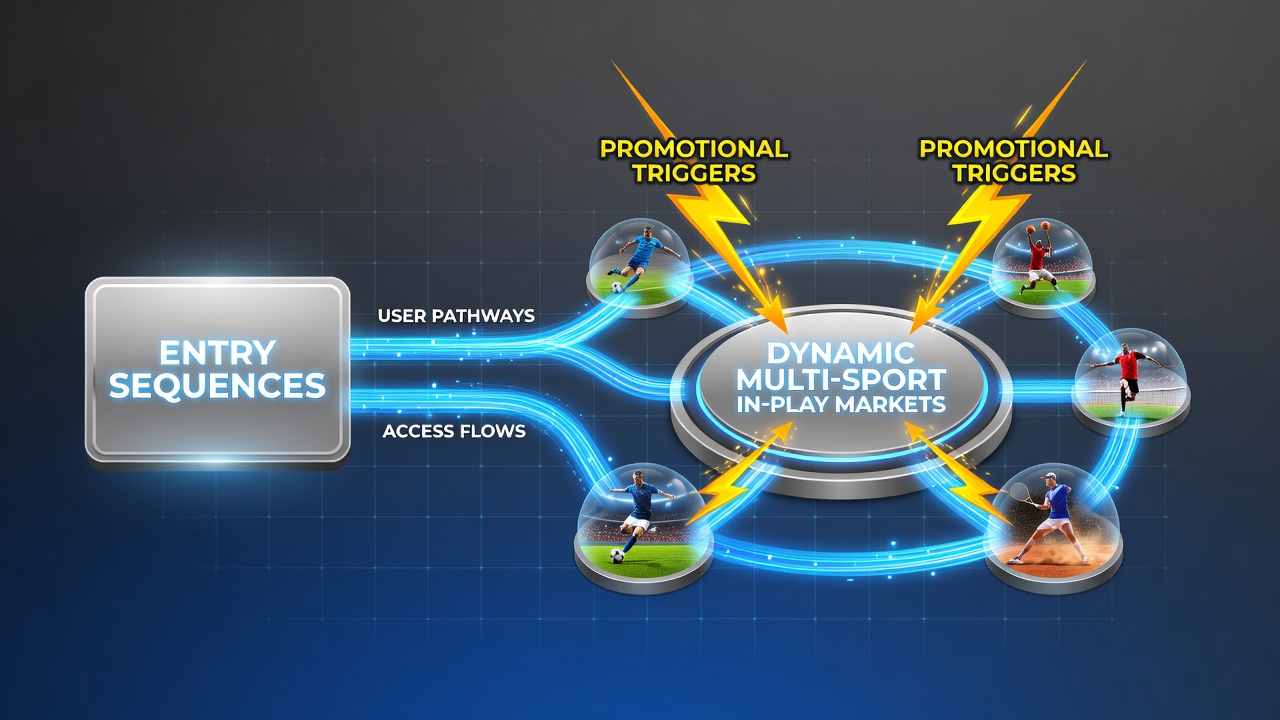
The Interplay of Entry Sequences and Promotional Triggers in Accessing Dynamic Multi-Sport In-Play Markets
Entry sequences in digital betting platforms consist of structured steps that guide users from initial registration through verification and funding to reach active wagering interfaces, and these sequences often intersect with promotional triggers that unlock bonuses or enhanced odds during live events across sports such as soccer, basketball, and tennis. Observers note that the timing of these elements determines how quickly participants gain access to markets where odds shift in real time based on match developments, and data from industry reports shows platforms optimize these flows to handle peak activity periods including those around major tournaments in August 2026.
Mechanics of Entry Sequences
Registration forms collect basic details while subsequent stages require identity confirmation through documents or biometric checks, and once completed the sequence directs users toward deposit options that activate account balances for immediate use in in-play sections. Researchers have documented that streamlined sequences reduce drop-off rates during high-volume periods, and platforms integrate these steps with mobile interfaces to allow seamless transitions from sign-up to live event selection without interrupting the flow. Those who have analyzed user data find that sequences tailored for multi-sport access enable participants to switch between soccer goal updates, basketball scoring bursts, and tennis point-by-point changes within the same session.
Promotional Triggers and Market Access
Promotional triggers activate when users complete specific actions such as initial deposits or first bets, and these mechanisms release matched funds or boosted payouts that apply directly to dynamic in-play options across multiple sports. Evidence from platform analytics indicates triggers often align with event schedules so that new participants encounter enhanced opportunities right as matches enter critical phases, and this alignment helps sustain engagement through extended live sessions. Figures from regulatory filings reveal operators track trigger activation rates to refine sequences that lead into multi-sport environments where odds fluctuate rapidly.
Combined Effects in Multi-Sport Environments
When entry sequences incorporate promotional elements at key checkpoints, users reach in-play markets with added resources that support bets on simultaneous events like a soccer league match and a basketball playoff game, and this combination creates pathways for diversified wagering within single sessions. Data shows that platforms monitor these interactions to adjust trigger conditions based on sport-specific patterns, such as extended tennis rallies or fast-paced basketball quarters, while maintaining compliance with jurisdictional rules that govern bonus usage. One study revealed that integrated sequences and triggers correlate with higher retention in markets where participants follow multiple sports concurrently.
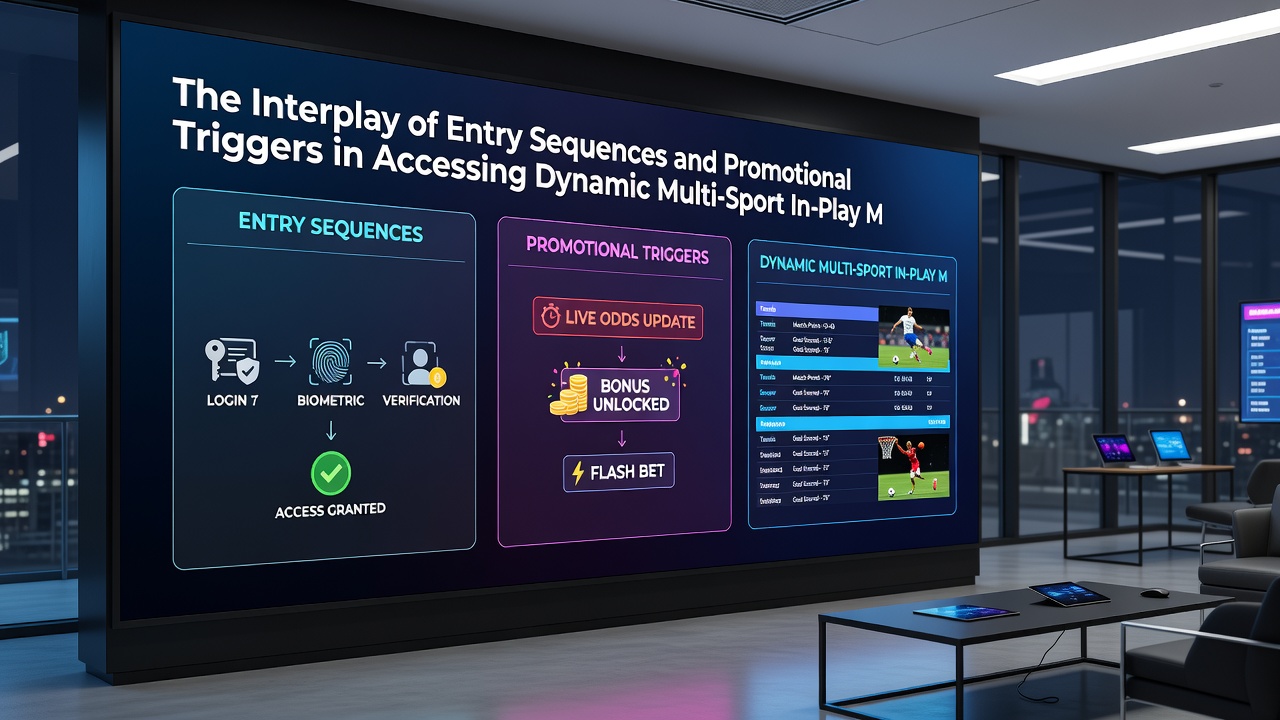
Platforms coordinate these elements through backend systems that update promotional availability in response to live data feeds, and users who navigate the sequences encounter tailored offers that match the pace of ongoing competitions. According to reports from the Pennsylvania Gaming Control Board, operators document how these mechanisms function within approved frameworks, ensuring triggers do not override required verification steps in entry sequences.
Regional Variations and Platform Adaptations
Different jurisdictions apply distinct standards to how entry sequences handle promotional triggers, and platforms adapt flows accordingly to meet requirements in markets across North America and Europe. Researchers tracking August 2026 activity observed increased coordination between sequences and triggers during periods of overlapping international competitions, where participants accessed soccer, basketball, and tennis markets through unified interfaces. Those who've examined operational data note that adaptations include conditional triggers that activate only after full sequence completion, which supports responsible access protocols while enabling real-time market participation.
Industry organizations such as the European Gaming and Betting Association have compiled statistics on how these integrated systems perform across member platforms, and the figures reveal consistent patterns in user progression from registration to active in-play engagement. Observers point out that variations in trigger design allow operators to address sport-specific demands, such as rapid updates in tennis or extended play in basketball, without altering core sequence requirements.
Conclusion
The interplay between entry sequences and promotional triggers shapes how participants reach dynamic multi-sport in-play markets, with platforms refining these components to balance accessibility, compliance, and real-time functionality. Data from regulatory and industry sources continues to inform adjustments that align with evolving competition calendars, including those active in August 2026, and the resulting structures support sustained activity across soccer, basketball, and tennis environments. Researchers maintain ongoing analysis of these mechanisms to document their role in broader market operations.