Smartphone Algorithms Reshaping Probability Calculations Across Team and Solo Athletic Events
Written by Erik Beck · Sep 16, 2026
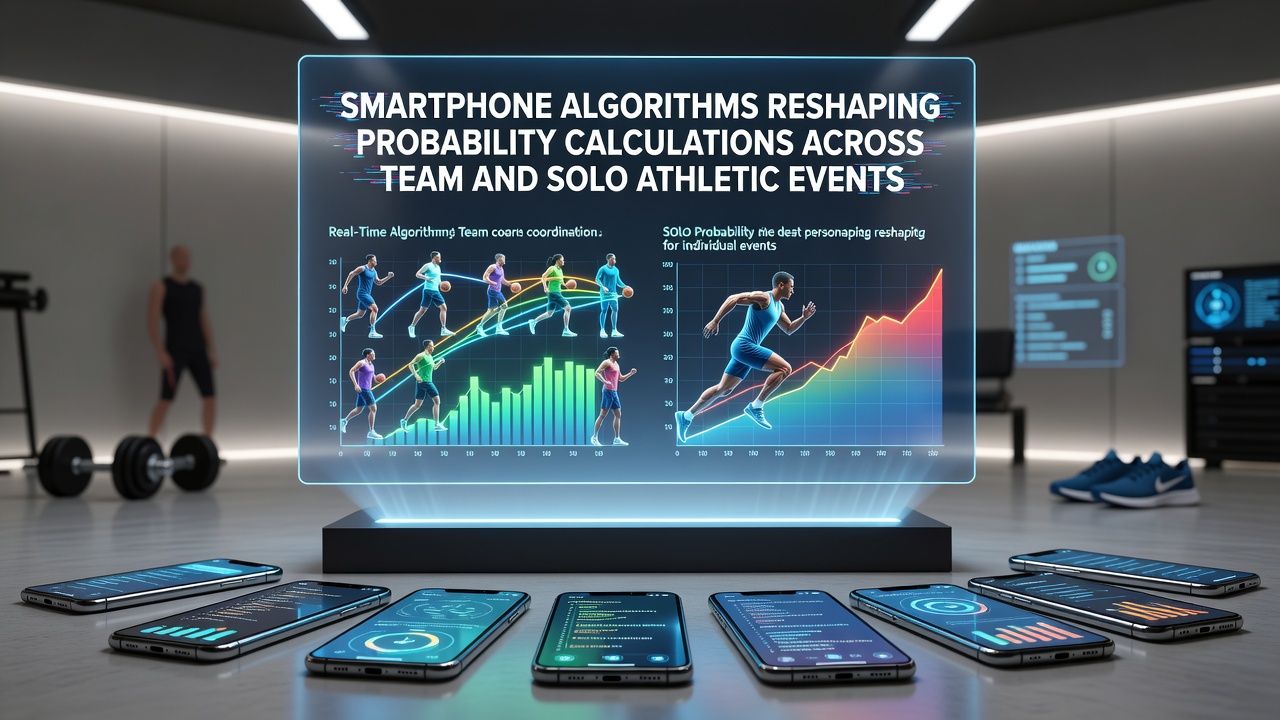
Smartphone Algorithms Reshaping Probability Calculations Across Team and Solo Athletic Events
Smartphone algorithms now process vast streams of sensor data, player statistics, and environmental variables to generate probability estimates for outcomes in both team sports such as basketball and soccer, as well as solo events including tennis and track competitions. These calculations occur in milliseconds on consumer devices, drawing from models that update continuously as matches progress. Data from wearable sensors and venue cameras feed into machine learning frameworks that adjust likelihoods for specific events like a goal in the next five minutes or a serve winner on the following point.
Core Mechanisms in Mobile Probability Engines
Developers integrate Bayesian networks with neural networks on smartphone processors, allowing the systems to weigh historical performance against live conditions such as fatigue indicators or weather shifts. In team settings the algorithms account for interdependent player movements and collective formations, whereas solo events emphasize individual biomechanical data and direct opponent matchups. Researchers at several institutions have documented how these hybrid models reduce computational latency compared with earlier server-dependent approaches.
Smartphone applications pull from standardized data feeds provided by leagues and federations, then apply localized processing to maintain accuracy during network interruptions. This architecture supports both high-frequency updates in fast-paced team games and granular point-by-point recalculations in individual competitions. Observers note that the shift toward on-device computation has coincided with increased adoption of edge AI chips in flagship handsets released since 2024.
Team Sports Applications and Data Patterns
In basketball and soccer, algorithms evaluate possession chains, defensive alignments, and substitution impacts to output revised probabilities for final scores or specific milestones. League records show that such calculations now incorporate over 200 variables per minute of play, ranging from player tracking coordinates to heart-rate telemetry. A report issued by the Australian Sports Commission highlights how these tools have been adopted by coaching staffs to simulate in-game scenarios without requiring constant cloud connectivity.
Team events introduce additional complexity because probability models must simulate interactions among multiple athletes simultaneously. Mobile systems address this by segmenting calculations into parallel threads that run on multi-core smartphone processors, delivering aggregated outputs within set time windows. Data collected across professional seasons demonstrates measurable improvements in prediction alignment when real-time biometric inputs supplement traditional box-score statistics.
Studies conducted through university partnerships have examined how these algorithms handle variance in high-stakes moments, such as overtime periods or penalty shootouts. The findings indicate that localized processing maintains consistency across different device models when developers optimize code for specific chip architectures.
Solo Athletic Events and Precision Modeling
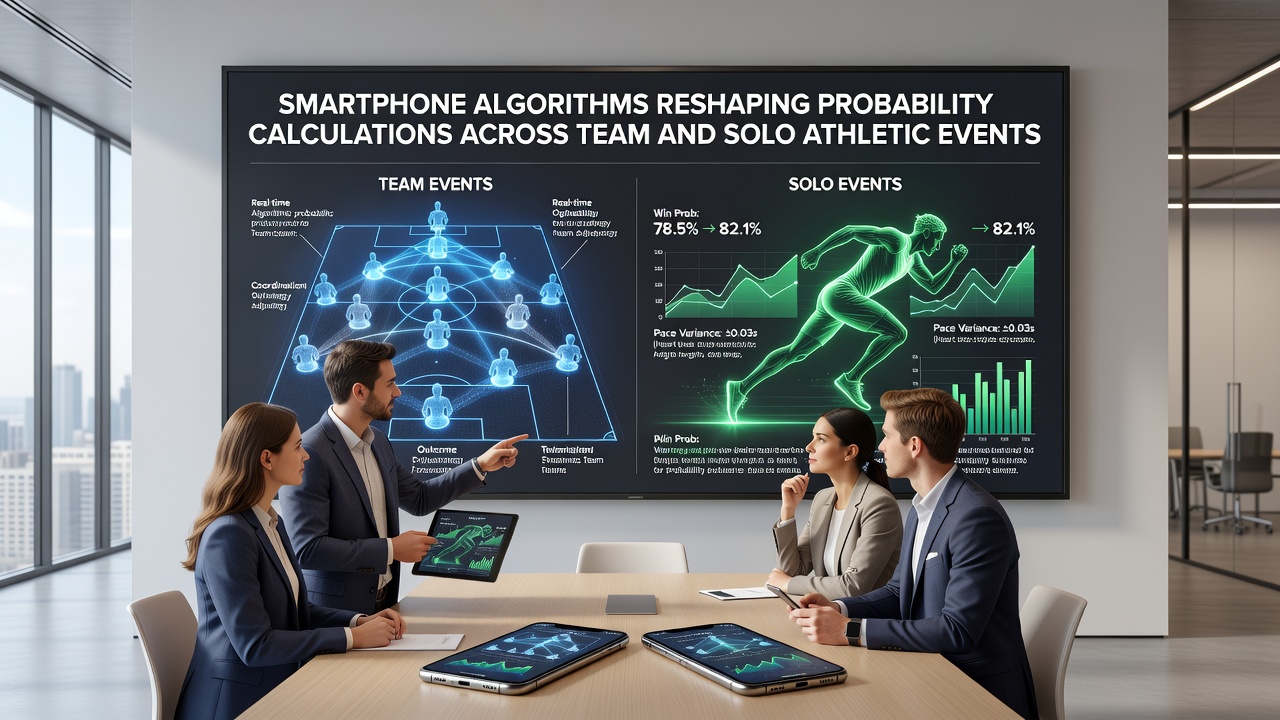
Tennis and individual track events present distinct requirements because probability outputs focus on discrete actions between two competitors rather than group dynamics. Algorithms track serve percentages, rally lengths, and recovery intervals, then adjust likelihood estimates after each point or lap. According to research compiled by the European Commission on digital transformation in sport, solo-event models achieve higher baseline accuracy than team models when input data volume remains constant, primarily due to fewer interacting variables.
Smartphone interfaces display these shifting probabilities through simplified visualizations that update without interrupting live viewing. Athletes and analysts access historical trend overlays alongside current match data, enabling rapid assessment of tactical adjustments. In September 2026 several international federations began piloting standardized data protocols that further streamline integration between scoring systems and mobile probability tools.
Cross-Event Comparisons and Technical Constraints
Comparative analyses reveal that team-sport algorithms allocate greater processing resources to spatial modeling, while solo-event systems prioritize temporal sequencing and fatigue curves. Both categories face constraints related to battery consumption and thermal limits on handheld devices, prompting developers to implement adaptive sampling rates that reduce unnecessary calculations during low-action periods. Industry documentation from the Sports Analytics Research Institute indicates that optimized algorithms now extend continuous operation beyond four hours on current-generation smartphones.
Security considerations also influence deployment, as federations require encrypted transmission of proprietary performance data even when processing occurs locally. These safeguards coexist with open-source libraries that allow smaller organizations to build custom models without large infrastructure investments. Patterns observed across multiple seasons show that adoption rates vary by sport, with individual events incorporating mobile tools more rapidly than some team disciplines that rely on centralized video review.
Conclusion
Smartphone algorithms continue to refine probability calculations by balancing computational efficiency with expanding data inputs across both team and solo athletic events. The distinction between collective and individual modeling approaches shapes how developers allocate processing tasks and present results to users. As device capabilities advance and data standards evolve, these systems maintain their role in delivering updated likelihood estimates during live competition.