Digital Gateways Enabling Swift Bets on Evolving Scores in Major Athletic Events
Written by Iris Otto · Aug 20, 2026
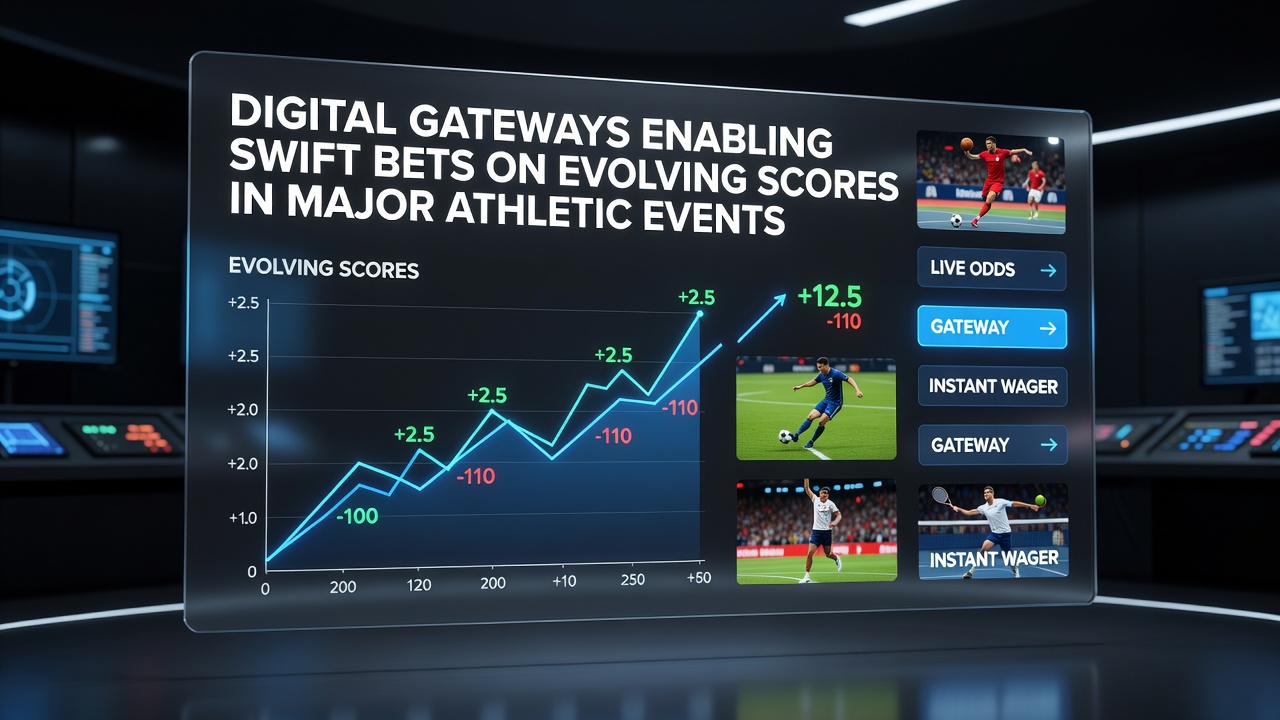
Digital Gateways Enabling Swift Bets on Evolving Scores in Major Athletic Events
Digital gateways connect bettors directly to live data streams that update scores and odds within seconds during major athletic competitions, and these systems rely on integrated APIs that pull information from stadium sensors, official timing equipment, and broadcast feeds simultaneously.
Platforms process these inputs through low-latency networks that push updates to user devices without requiring manual refreshes, while algorithms adjust pricing models based on possession changes, point differentials, and injury reports as they occur in real time.
Core Components of Real-Time Betting Infrastructure
Modern gateways combine cloud-based servers with edge computing nodes located near major venues, and this setup reduces transmission delays to under 200 milliseconds for score-related data packets. Observers note that such architecture supports simultaneous handling of thousands of concurrent wagers across soccer matches, basketball games, and tennis sets without service interruptions.
Developers integrate multiple data sources including official league APIs and third-party tracking systems, yet redundancy protocols ensure continuity when one feed experiences temporary outages during high-stakes moments. Studies from industry reports show these layered connections maintain accuracy rates above 99 percent for score validations in professional leagues.
Mobile Optimization and User Access Patterns
Applications built around these gateways prioritize one-tap interfaces that allow adjustments to evolving odds while events unfold, and push notifications alert users to significant score shifts like a sudden goal or tiebreaker point. Data from mobile analytics firms indicates peak engagement occurs during the final quarters of basketball contests and late sets in tennis tournaments, where rapid score changes create frequent pricing recalibrations.
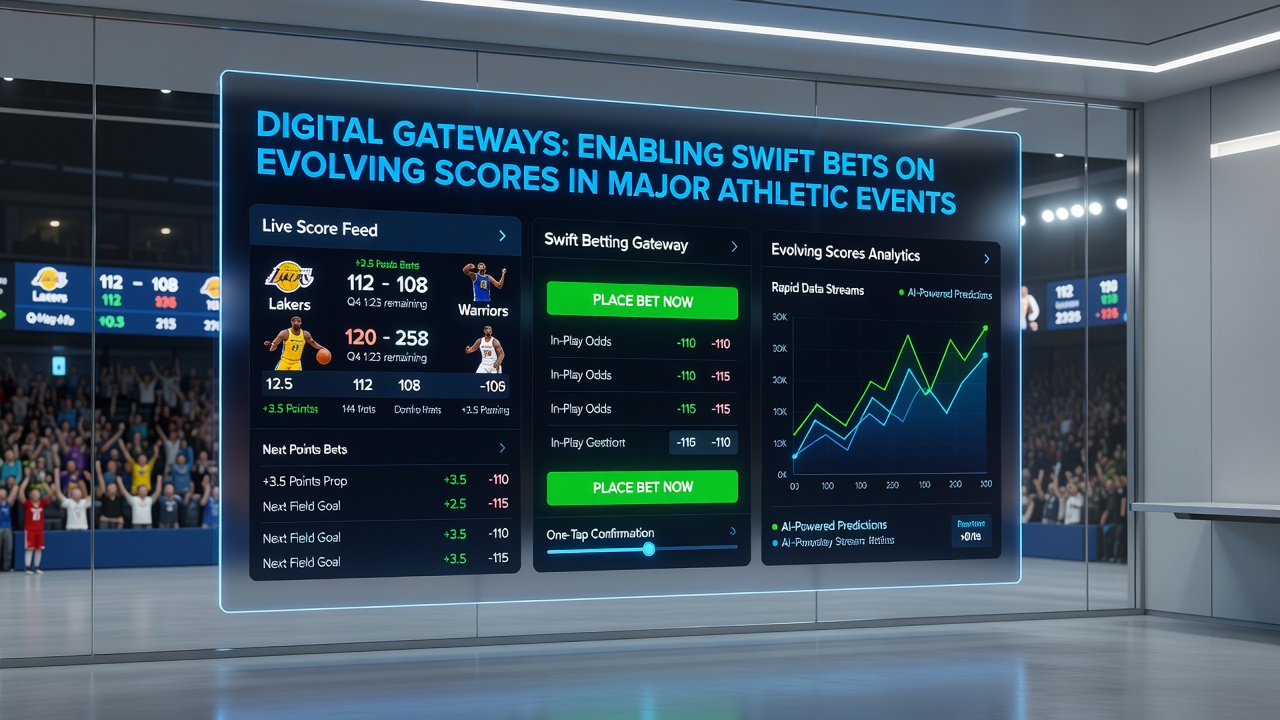
Geolocation features verify user eligibility within regulated jurisdictions before processing any transaction, and secure token systems handle authentication across multiple device types. Those who've examined platform metrics report that streamlined login sequences combined with biometric options shorten entry times to under 10 seconds on average for returning participants.
Integration with Major Sporting Events
During the 2026 World Cup preparations tracked through August of that year, gateways handled increased volumes of score-based wagers on group stage matches and qualification updates, according to projections from the American Gaming Association. Systems adapted to multi-timezone scheduling by synchronizing global data centers, which allowed consistent performance across North American and European audiences following simultaneous fixtures.
Basketball seasons overlapping with international tournaments further tested these networks, while tennis grand slams provided extended windows for in-match adjustments due to variable set lengths. Researchers at academic institutions have documented how these event-specific demands drive iterative improvements in data compression techniques that preserve detail without inflating bandwidth usage.
Regulatory Frameworks and Compliance Measures
Government agencies in various regions enforce standards for data integrity and transaction transparency within these gateways, and the European Gaming and Betting Association has published guidelines addressing real-time fairness protocols. Operators must log every odds adjustment tied to score changes, which enables audits that verify compliance with local wagering rules across different jurisdictions.
August 2026 saw continued refinements to these oversight processes in anticipation of larger international events, with emphasis on preventing unauthorized access during peak traffic periods. Figures from regulatory summaries reveal steady growth in licensed platforms adopting certified gateway technologies that meet or exceed minimum security benchmarks established by oversight bodies.
Conclusion
Digital gateways continue to evolve through partnerships between technology providers and sports organizations, delivering the infrastructure needed for timely responses to score developments across major athletic events. Ongoing advancements in network capacity and data validation support broader participation in regulated environments while maintaining operational reliability under variable conditions.