Behind the Screens: How Push Alerts Steer Fresh Users into Live Soccer Wagering Sessions
Written by Sam Long · Aug 6, 2026
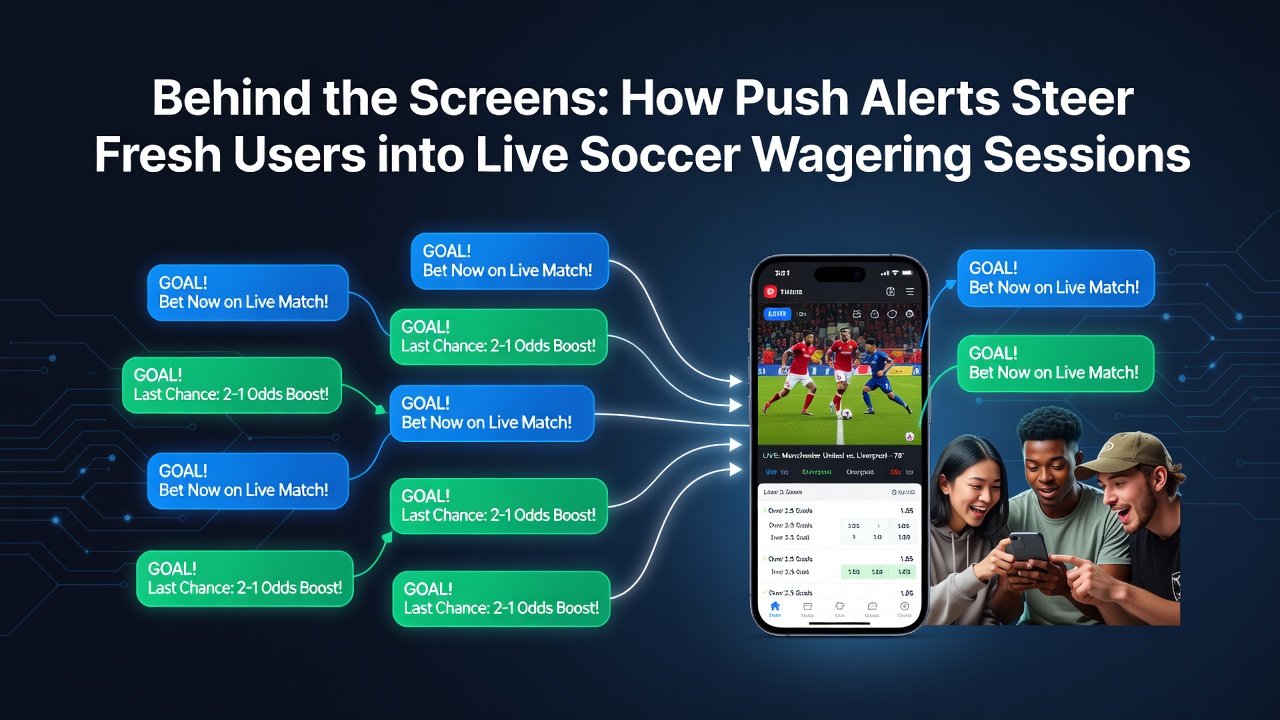
Behind the Screens: How Push Alerts Steer Fresh Users into Live Soccer Wagering Sessions
Mechanics of Notification Systems in Betting Applications
Push alerts operate through mobile operating systems that deliver real-time messages from betting platforms directly to user devices, and these systems activate based on user registration data, device location, and prior interaction patterns with soccer content. Developers configure alerts to trigger during match events such as goal scorings or halftime intervals while they also incorporate dynamic odds updates that appear in the notification preview itself. Observers note that fresh users receive an initial sequence of onboarding notifications within the first 24 hours after account creation, and these messages often reference popular leagues like the Premier League or La Liga to establish relevance right away. Data from platform analytics shows that click-through rates on such alerts reach higher percentages when the content includes specific match times and potential wager categories, which guides recipients toward in-app live sections without requiring manual navigation.
Timing and Personalization Strategies
Algorithms analyze user time zones and match schedules to send alerts at peak engagement windows, and in August 2026 this approach aligned with the start of several European domestic seasons where multiple fixtures overlapped on weekends. Personalization draws from signup questionnaires that capture favorite teams or betting preferences, so a new user who selects Manchester City might receive alerts tied to that club's live markets rather than generic promotions. Researchers discovered that segmentation by device type further refines delivery, with iOS users seeing richer preview text compared to Android counterparts because of differing notification framework capabilities. Those who've examined app telemetry confirm that repeated exposure to tailored alerts increases session initiation rates, and the process unfolds through seamless redirects that open the live betting interface directly upon tap.
User Onboarding Flows and Alert Integration
New registrants encounter a verification step followed by prompt requests for notification permissions, and once granted the application begins a calibrated series of messages designed to transition users from account setup to active wagering. One study revealed that the first three alerts typically focus on educational content about live odds movement before shifting to event-specific prompts, which helps retain attention during the critical early period. Observers note that A/B testing conducted by platform teams compares alert phrasing variations, such as those emphasizing urgency versus those highlighting statistical trends, and results guide refinements in subsequent campaigns. The flow continues with follow-up notifications if the initial alert goes unopened, creating a layered approach that maintains contact without overwhelming the device inbox.
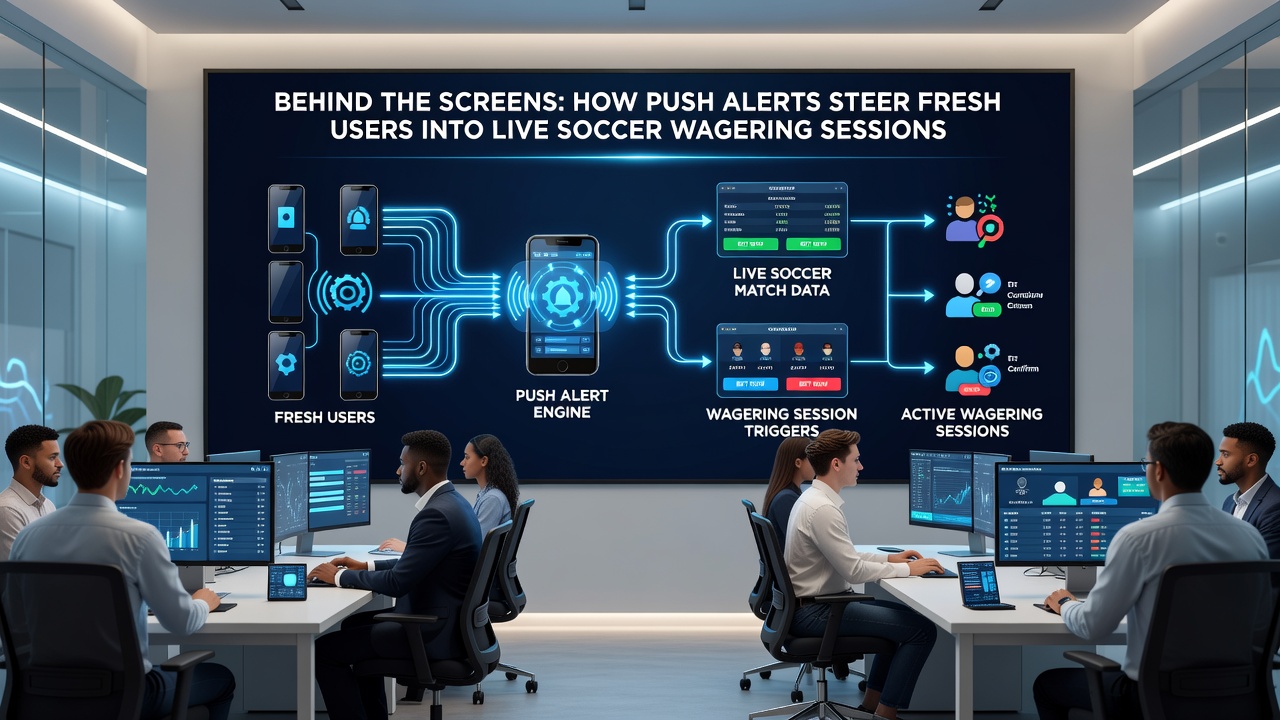
Data Patterns and Industry Metrics
Figures from mobile engagement reports indicate that soccer-related push notifications generate elevated open rates during live matches compared to pre-match promotions, and this pattern holds across multiple regions where smartphone penetration supports continuous app usage. According to industry tracking from the European Gaming and Betting Association, average session durations extend when alerts incorporate live score elements alongside wager suggestions. What's interesting is how cross-referencing with payment data reveals that first deposits often follow alert-driven entries into live sessions, although exact conversion sequences vary by operator. Experts have observed that seasonal peaks, including August 2026 fixtures, correlate with increased notification volume as platforms scale campaigns ahead of high-profile kickoffs.
Regulatory Context and Compliance Measures
Operators implement frequency caps and opt-out mechanisms to align with digital advertising standards, and these safeguards appear in platform policies that reference guidelines from bodies such as the Federal Trade Commission on consumer notification practices. In Australia the Australian Communications and Media Authority oversees similar requirements for app-based marketing, which influences how alerts present odds information without implying guaranteed outcomes. Those who've reviewed compliance documentation note that age verification ties directly into alert eligibility, preventing delivery to accounts lacking confirmed adult status. The process incorporates audit trails that log each notification sent and user response, supporting transparency requirements across jurisdictions.
Conclusion
Push alert systems continue to shape initial user interactions with live soccer wagering by combining technical delivery methods, data-driven timing, and structured onboarding sequences, and these elements operate within established regulatory frameworks that govern mobile communications. Evidence from platform metrics and external oversight reports illustrates the pathways through which new users reach active sessions, while ongoing refinements in personalization reflect broader trends in digital engagement. The mechanisms remain subject to evolving standards that balance operational goals with consumer protection priorities across different markets.