App Sign-Up Sequences Powering Odds Shifts in Real-Time Soccer, Hoops, and Court Sports via Handheld Platforms
Written by Klara Günther · Oct 14, 2026
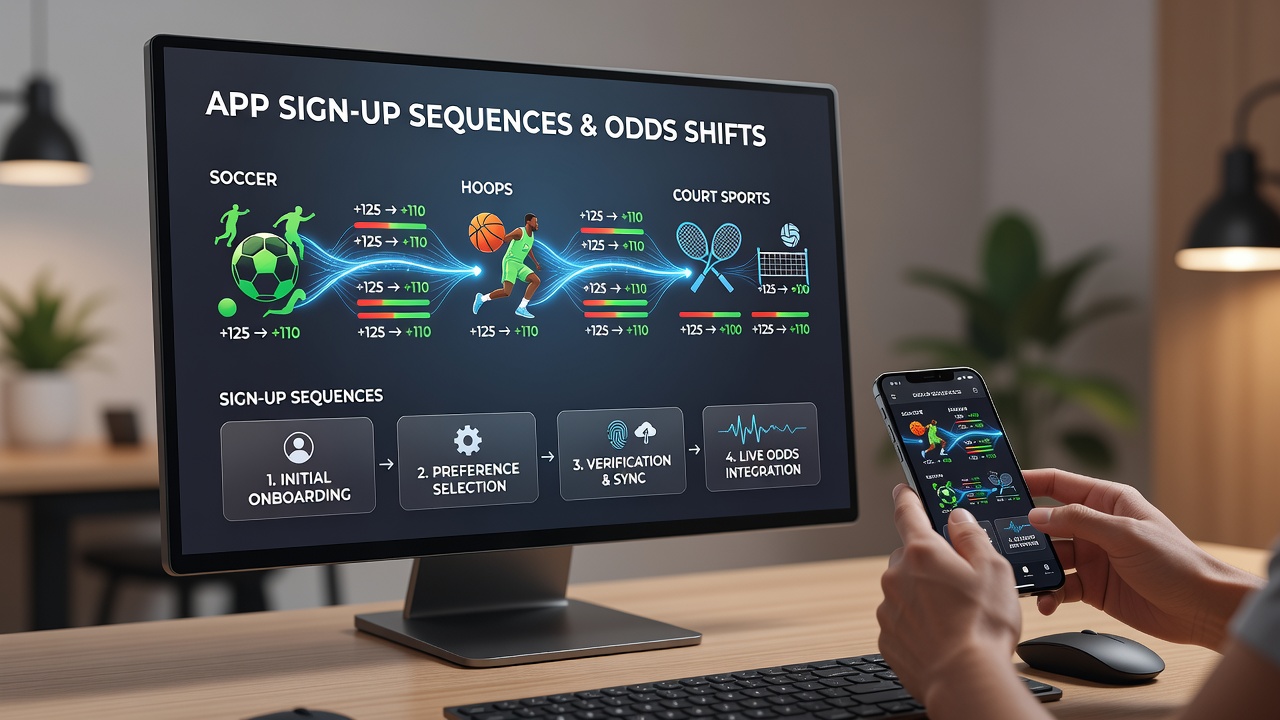
App Sign-Up Sequences Powering Odds Shifts in Real-Time Soccer, Hoops, and Court Sports via Handheld Platforms
App sign-up sequences now serve as the primary gateway that connects new users directly to live odds adjustments during ongoing matches in soccer, basketball, and tennis, all accessed through smartphone platforms. These sequences combine identity verification, payment setup, and account activation into streamlined steps that operators have refined over recent years, allowing bettors to enter markets while play continues and odds respond to each goal, basket, or point scored.
Mechanics of Mobile Onboarding for Live Markets
Operators design these sequences to pull real-time data feeds from sportsbooks into the app within seconds of registration completion, and this integration relies on API connections that update point spreads and totals continuously. Data from the Nevada Gaming Control Board shows that mobile handle in regulated markets grew substantially through 2025, driven in part by faster entry points that reduce the time between sign-up and first wager on active events. Users complete basic profile fields, confirm via SMS or email, and link a funding method, after which the platform grants access to in-play options without additional delays.
What's notable is how these flows handle simultaneous verification across multiple jurisdictions, since operators must comply with varying state rules while delivering consistent experiences. In October 2026, several platforms expanded their use of automated document scanning during signup, cutting average activation time to under two minutes according to internal industry reports. This speed matters because odds in soccer and court sports shift rapidly, often within seconds of a key play, leaving little room for users who face prolonged approval waits.
Integration with Dynamic Pricing in Soccer and Basketball
Once activated, the app maintains a persistent connection to pricing engines that recalculate probabilities based on current match conditions, and sign-up sequences now include optional location services that confirm eligibility for specific live markets. Researchers at the University of Nevada, Reno documented how these location checks sync with odds providers to prevent access issues during high-volume periods like international tournaments. Basketball apps, for instance, adjust halftime totals and player props in real time, while soccer platforms update corner counts and card markets as events unfold on the field.
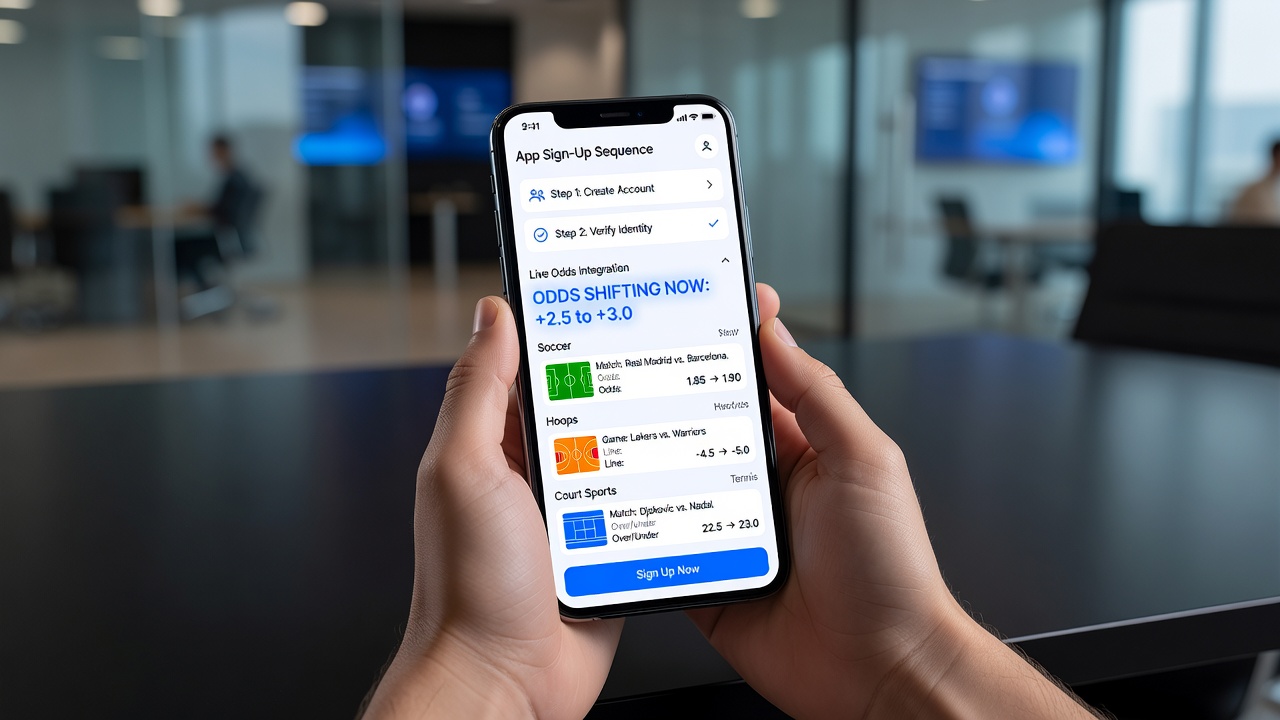
One study revealed that users who finish signup during the first half of a match are more likely to place wagers on second-half lines, because the sequence keeps them inside the app ecosystem rather than redirecting to external browsers. Court sports such as tennis benefit similarly, since sets and games produce frequent score changes that trigger immediate odds revisions visible only to authenticated accounts.
Regional Developments and Platform Adaptations
Regulatory bodies in multiple regions have examined how these sequences affect responsible gaming measures, with the Malta Gaming Authority requiring clear disclosures about deposit limits at the point of account creation. Platforms operating in North American and European markets have responded by embedding those controls directly into the flow, so users encounter them before reaching live betting interfaces. Figures from industry associations indicate that mobile sessions for in-play soccer and hoops increased notably in the first three quarters of 2026, coinciding with refinements to biometric login options that further shorten re-entry times for returning users.
Observers note that affiliate-driven traffic often lands on optimized landing pages that pre-populate certain fields, reducing friction even more. These pathways feed directly into the same real-time systems, meaning a new account created through such a route gains immediate visibility into shifting lines for ongoing matches. The process avoids separate confirmation steps that previously interrupted the transition from signup to active wagering.
Technical Infrastructure Supporting Real-Time Access
Backend systems behind these apps use cloud-based servers to synchronize odds across thousands of concurrent sessions, and signup sequences trigger initial data pulls that establish user-specific feeds tailored to preferred sports. Engineers at major providers have implemented caching layers that minimize latency when a user switches from soccer to basketball markets mid-session. This architecture ensures that the odds visible after signup reflect the latest match developments without requiring manual refreshes, a capability that has become standard in handheld platforms by late 2026.
Take one operator that integrated facial recognition into its sequence last year; completion rates rose while the time to first live bet dropped, allowing more participants to engage with evolving tennis set odds or basketball player performance metrics. Such adaptations continue to shape how new accounts interact with dynamic pricing engines across different sports.
Conclusion
App sign-up sequences have evolved into critical components that bridge user acquisition with participation in live odds environments for soccer, basketball, and court sports. Their design directly influences how quickly individuals reach markets where prices adjust in response to on-field action, supported by data connections and regulatory compliance built into the initial steps. As platforms refine these flows through 2026 and beyond, the connection between onboarding speed and access to real-time adjustments remains central to mobile sports wagering operations.